

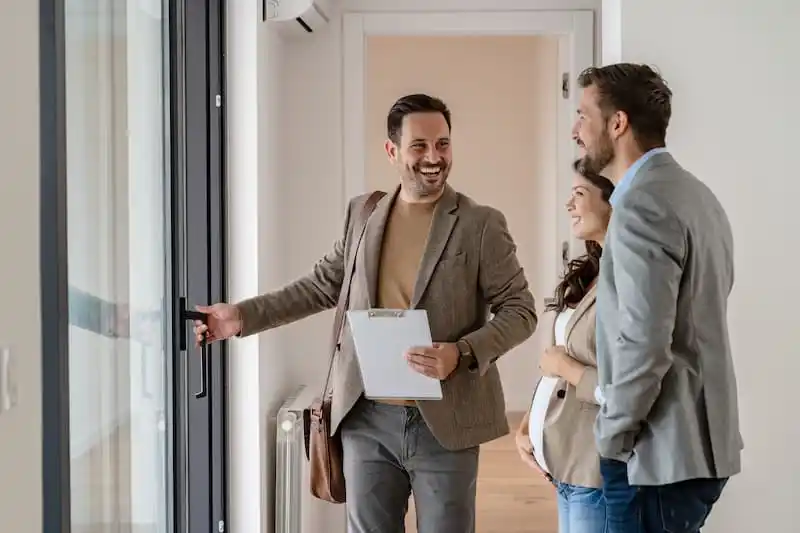
The Growing Demand for Real Estate Sales Closers in Today’s Property Market
Real estate transactions involve large financial commitments, careful negotiations, and emotional decision-making. Because of this complexity, real estate sales closers have become an increasingly valuable part of the property sales process. These professionals focus on the final and most critical stage of a deal, guiding buyers from strong interest to a confident purchasing decision. In a competitive property market, many agencies and developers rely on closers to ensure that qualified leads do not slip away before contracts are signed.
Real estate sales closers differ from traditional agents who spend much of their time generating leads and showcasing properties. Instead, closers specialize in turning interested prospects into finalized deals. They step in when a buyer already sees value in a property but still needs guidance, reassurance, or negotiation before committing. Their ability to communicate clearly and address buyer concerns can dramatically improve conversion rates for real estate businesses.
The demand for these specialists has grown as property markets become more competitive and digitally driven. Buyers now research properties online, attend virtual tours, and compare multiple investment options before speaking with a professional. When they finally engage with a company, the final conversation often determines whether the deal moves forward. Skilled closers understand how to navigate these conversations and help buyers feel confident in their decision.
As property developers expand into national and international markets, the need for dedicated real estate sales closers continues to grow. Many organizations recognize that closing a deal requires a specific skill set that goes beyond standard property marketing. With higher property values and increased buyer expectations, the closer’s role has become an essential part of modern real estate sales teams.
What Real Estate Sales Closers Actually Do During the Sales Process
The responsibilities of real estate sales closers focus on guiding buyers through the final stages of purchasing property. Their work typically begins once a lead has already shown serious interest in a listing. At this stage, the potential buyer may have viewed the property, researched the location, and considered financing options. However, they may still have questions or hesitations that prevent them from moving forward.
Closers manage these conversations by presenting the property’s value, addressing concerns, and helping buyers evaluate the opportunity with clarity. They ensure that buyers understand the full benefits of the property, whether it is a primary residence, vacation home, or investment asset. Because real estate purchases often involve significant financial decisions, buyers frequently need reassurance before signing contracts.
Another important responsibility involves negotiation between the buyer and the seller. Real estate sales closers help facilitate discussions about price adjustments, payment terms, and contingencies. Their goal is to create an agreement that satisfies both parties while keeping the transaction moving forward.
Closers also coordinate closely with agents, brokers, lenders, and legal professionals. This collaboration ensures that contracts, deposits, and timelines are handled efficiently. By managing these details while maintaining strong communication with buyers, closers help ensure that deals move smoothly toward completion.
Why Real Estate Businesses Rely on Specialized Sales Closers
Property transactions are far more complex than typical retail or service sales. A single deal may involve hundreds of thousands or even millions of dollars, multiple decision-makers, financing approvals, and legal documentation. Because of this complexity, many real estate businesses recognize the value of having professionals who specialize specifically in closing deals.
Real estate sales closers focus entirely on converting interest into signed agreements. This specialization allows agents and marketing teams to concentrate on lead generation and property promotion while closers manage the final negotiation process. When these roles are clearly defined, sales teams often operate more efficiently and close more deals.
Another reason businesses rely on closers is the high cost of losing qualified leads. Marketing campaigns, property tours, and consultations require significant time and financial investment. When a potential buyer reaches the final stage but fails to move forward, that investment can be lost. Closers reduce this risk by guiding buyers through their remaining concerns and helping them make confident decisions.
Additionally, professional closers improve the buyer experience. Purchasing property can be stressful, especially for first-time buyers or international investors. A skilled closer creates a structured and supportive conversation that simplifies the process. As a result, buyers feel more comfortable completing the transaction and maintaining a positive relationship with the company.
Essential Skills That Define High Performing Real Estate Sales Closers
Real estate sales closers combine strong communication abilities with deep knowledge of property markets and negotiation strategies. Their skill set allows them to guide complex discussions while keeping both buyers and sellers aligned throughout the transaction.
One of the most important abilities is communication. Closers must explain property value clearly while also listening carefully to buyer motivations and concerns. By understanding what truly matters to a buyer, they can tailor the conversation to highlight relevant benefits and solutions.
Negotiation skills are equally important. Property purchases often involve adjustments to pricing, financing terms, or contract conditions. Skilled closers know how to structure these discussions in ways that maintain fairness while protecting the interests of both parties.
Emotional intelligence also plays a key role in closing real estate deals. Buyers may feel excitement, hesitation, pressure, or uncertainty during the decision-making process. A successful closer recognizes these emotions and responds with empathy and professionalism. This ability builds trust and helps buyers feel more confident in their investment.
Strong organization and time management are also essential. Closers frequently handle multiple deals simultaneously, each with its own timeline and documentation requirements. By staying organized and proactive, they ensure that every transaction progresses smoothly toward completion.
The Step by Step Process Real Estate Sales Closers Follow to Finalize Deals
Closing a real estate deal typically involves several structured stages that guide the buyer from interest to commitment. While each transaction may differ slightly, experienced closers follow a strategic process that increases the likelihood of a successful outcome.
The first stage involves confirming buyer readiness. Closers assess the buyer’s financial capability, investment goals, and timeline. This step helps ensure that the property aligns with the buyer’s needs and expectations before moving further into negotiations.
The next stage focuses on presenting the property’s value. Closers reinforce the advantages of the property, including location benefits, appreciation potential, and lifestyle improvements. Clear communication during this stage strengthens the buyer’s confidence in the opportunity.
Another critical stage involves addressing buyer concerns. Questions about financing, contract details, or property conditions may arise. Skilled closers respond with transparency and helpful explanations that resolve these concerns effectively.
Negotiation follows once the buyer expresses strong interest. At this stage, the closer works with both parties to establish final pricing, payment terms, and contract conditions. Maintaining professionalism and patience during negotiations is essential for reaching an agreement.
The final stage involves preparing the buyer for contract signing and confirming the next steps in the transaction. This includes coordinating deposits, timelines, and documentation with relevant professionals involved in the deal.
Key Strategies Used by Successful Real Estate Sales Closers
Many high performing closers rely on proven strategies that help them guide conversations toward positive outcomes. These strategies emphasize trust, clarity, and value rather than pressure or aggressive tactics.
Core Techniques for Closing Property Deals
- Building trust early by establishing genuine rapport with potential buyers
- Asking thoughtful questions to understand the buyer’s goals and motivations
- Presenting property features in a way that connects with the buyer’s lifestyle or investment plans
- Addressing objections calmly and respectfully rather than dismissing concerns
- Demonstrating deep knowledge of the property, neighborhood, and market trends
- Using clear and simple explanations when discussing contracts or financial details
- Maintaining consistent follow up communication with interested prospects
These strategies help closers maintain productive conversations while guiding buyers toward confident decisions. Instead of pushing for a quick sale, effective closers focus on helping buyers see the long term value of the property. This approach creates stronger trust and often leads to smoother negotiations.
Opportunities for Professionals Interested in Real Estate Sales Closing
The growing demand for real estate sales closers has created exciting career opportunities for individuals with strong sales and communication skills. Many professionals enter this field after working in real estate, marketing, or customer relationship roles. Others transition from high ticket sales industries where negotiation and persuasion are essential.
Real estate companies, developers, and investment groups frequently hire closers to support their sales teams. These professionals may work within an agency, collaborate with property developers, or operate as independent consultants. Some closers focus on residential properties, while others specialize in luxury homes, commercial buildings, or vacation properties.
Income potential in this field can be significant because compensation is often tied to commission structures. Since property values are typically high, even a small percentage of a sale can represent substantial earnings. Closers who consistently convert qualified leads often build strong reputations within the industry.
Advancements in digital communication have also created opportunities for remote closing roles. Video calls, virtual property presentations, and online contract platforms allow closers to work with buyers across different cities or countries. This flexibility makes the profession attractive for professionals who want a dynamic and location independent career.
How Technology Is Transforming the Role of Real Estate Sales Closers
Technology has reshaped the way property transactions are conducted, and real estate sales closers are adapting to these changes. Many buyers now begin their property search online, exploring listings, market data, and virtual tours before speaking with a professional. This shift means that closers often interact with buyers who are already highly informed.
Customer relationship management platforms help closers track leads, schedule follow ups, and monitor deal progress. These systems provide valuable insights into buyer behavior, allowing closers to tailor their communication and anticipate questions.
Digital contract platforms have also streamlined the final stages of property transactions. Buyers and sellers can review documents, sign agreements, and submit deposits electronically. This technology reduces delays and allows closers to manage deals more efficiently.
Video conferencing has become another essential tool for modern real estate sales closers. Remote consultations allow closers to build relationships with buyers who may be located in different regions or countries. As international property investments continue to grow, the ability to conduct professional virtual closing conversations has become a powerful advantage.
Data analytics also plays a role in improving closing performance. By studying buyer preferences, pricing trends, and market demand, closers can present stronger arguments for the value of a property. These insights help buyers make informed decisions while strengthening the closer’s credibility.
Challenges Real Estate Sales Closers Must Navigate
Although the role offers exciting opportunities, real estate sales closers must also manage several challenges. Property purchases involve large financial commitments, which means buyers often approach the decision with caution and detailed questions. Closers must remain patient while guiding buyers through these concerns.
Market conditions can also shift unexpectedly. Changes in interest rates, economic trends, or housing demand may influence buyer confidence. Skilled closers stay informed about these factors so they can provide accurate guidance during negotiations.
Another challenge involves balancing persistence with professionalism. While closers aim to finalize deals, they must avoid creating pressure that could damage trust. Buyers who feel respected and understood are far more likely to move forward with a purchase.
Legal and regulatory considerations also require careful attention. Real estate transactions involve contracts, disclosures, and compliance requirements that must be handled correctly. Closers often collaborate with agents, attorneys, and financial professionals to ensure that every detail meets industry standards.
Maintaining strong communication with all parties involved in a transaction is another key responsibility. Delays or misunderstandings can jeopardize a deal if not addressed quickly. Successful closers stay proactive, organized, and solution oriented throughout the process.
Takeaway
Real estate sales closers play a vital role in turning interested property buyers into committed investors and homeowners. Their expertise in communication, negotiation, and buyer psychology helps ensure that qualified leads move confidently through the final stages of the sales process. By focusing on the most critical moment of a transaction, closers help real estate businesses increase conversion rates and strengthen client relationships.
As property markets evolve and technology continues to reshape how deals are conducted, the demand for skilled closers is likely to remain strong. Professionals who develop strong sales abilities, market knowledge, and emotional intelligence can build rewarding careers in this specialized field. For businesses seeking consistent revenue growth and smoother transactions, dedicated closers have become an essential component of successful real estate sales teams.
FAQ
What are real estate sales closers
Real estate sales closers are professionals who specialize in finalizing property transactions. They focus on guiding interested buyers through the final decision making process, addressing concerns, negotiating terms, and helping both parties reach an agreement.
How are real estate sales closers different from real estate agents
Real estate agents typically focus on listing properties, marketing them, and generating leads. Real estate sales closers concentrate on the final stages of the transaction, working with qualified prospects who are close to making a purchase decision.
Do real estate sales closers need a real estate license
Requirements vary depending on the region and the specific responsibilities of the role. In many cases, individuals involved directly in property transactions must hold a real estate license, while others may work alongside licensed agents.
How much do real estate sales closers earn
Income often depends on commission structures tied to property sales. Because real estate deals involve high ticket values, experienced closers can earn significant income when they consistently convert qualified leads.
Can real estate sales closers work remotely
Yes, many closers now work remotely using video conferencing, digital contract platforms, and online communication tools. This allows them to assist buyers and investors from different locations around the world.
What skills are important for becoming a successful real estate sales closer
Important skills include strong communication, negotiation abilities, emotional intelligence, knowledge of property markets, and the ability to guide buyers through complex financial decisions with clarity and confidence.
- Online Sales Closer Jobs: Your Guide to Building a High-Paying Remote Sales Career

- Real Estate Sales Closers: How Skilled Closers Turn Property Leads into Profitable Deals

- Sales Development Representatives for Hire: Boost Your Pipeline and Close More Deals

- Coaching Sales Closers: Building High-Performance Deal Closers Through Strategic Development

- How Revenue Share Sales Closers Can Skyrocket Your Business Growth