

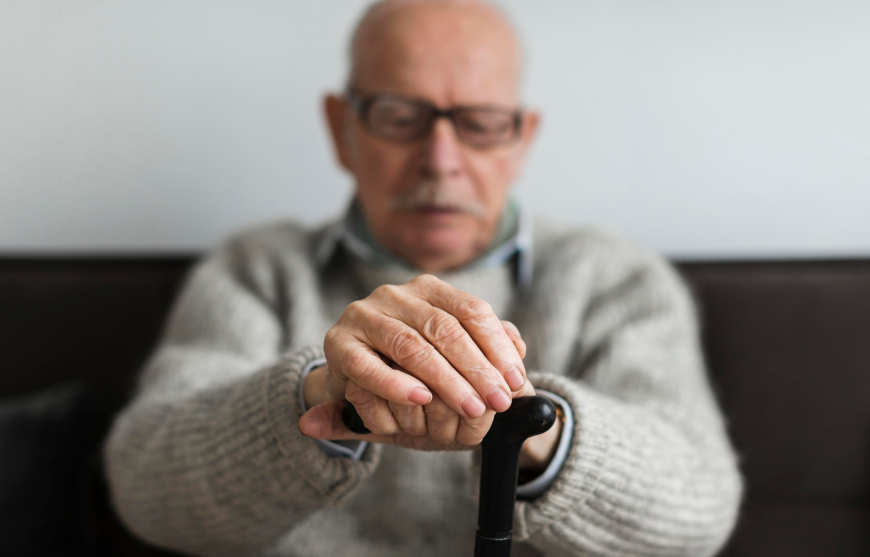
Parkinson’s Disease is a progressive neurological disorder that primarily affects movement and coordination. It develops when nerve cells in the brain that produce dopamine, a chemical responsible for smooth, controlled muscle movement, become impaired or die. As dopamine levels decline, individuals experience increasing difficulty with movement and a range of other physical and cognitive challenges. Parkinson’s Disease is most commonly diagnosed in people over the age of 60, though it can affect younger adults in rare cases. The disease progresses differently for each person, making early recognition and management essential. Although Parkinson’s cannot yet be cured, treatment and lifestyle strategies can significantly improve quality of life. Awareness and understanding of its signs, causes, and management can empower patients and families to take proactive steps.
Recognizing the early signs and symptoms of Parkinson’s Disease is crucial for timely intervention. Motor symptoms often appear first, including tremors in the hands, arms, legs, or face. Individuals may also experience rigidity, where muscles feel stiff and limit movement, and bradykinesia, a noticeable slowness in voluntary movements. Postural instability is another common symptom, causing difficulty with balance and an increased risk of falls. Non-motor symptoms can sometimes precede motor signs, including sleep disturbances, depression, anxiety, loss of sense of smell, and cognitive changes. Fatigue, constipation, and changes in speech or handwriting are also early indicators. Identifying these warning signs and consulting a healthcare professional can lead to more effective management of the disease.
The causes of Parkinson’s Disease are complex, involving a combination of genetic and environmental factors. Certain gene mutations are associated with a higher risk, though hereditary forms are relatively rare. Environmental exposures, such as pesticides, heavy metals, and repeated head injuries, may also contribute to the onset of the disease. Age is a significant risk factor, with the likelihood of developing Parkinson’s increasing as individuals grow older. Men are statistically more prone to the condition than women, though the reasons remain unclear. Other potential contributors include chronic inflammation and oxidative stress in the nervous system. Understanding these factors can help patients and caregivers adopt preventive and supportive strategies.
Diagnosing Parkinson’s Disease involves careful medical evaluation and a detailed clinical history. A neurologist typically performs a thorough physical and neurological examination to assess movement, reflexes, and coordination. Imaging tests, such as MRI or DaTscan, can support the diagnosis by ruling out other conditions and confirming changes in brain activity. Doctors also differentiate Parkinson’s from other movement disorders like essential tremor, multiple system atrophy, or progressive supranuclear palsy. Early and accurate diagnosis is important because it allows patients to start treatment sooner, potentially slowing symptom progression. Family input about symptoms and daily functioning often provides valuable insights for clinicians. Regular follow-up and monitoring are essential to adjust treatments as the disease evolves.
Effective management of Parkinson’s Disease relies on a combination of medical treatments, therapies, and lifestyle adaptations. Medications are the first line of treatment, helping to replenish or mimic dopamine in the brain. Common options include Levodopa, dopamine agonists, and MAO-B inhibitors, each targeting specific symptoms and disease progression. In advanced cases, surgical interventions such as Deep Brain Stimulation can improve motor control when medications are insufficient. Physical therapy plays a vital role in maintaining strength, balance, and flexibility. Occupational therapy focuses on adapting daily activities and promoting independence, while speech therapy addresses difficulties with communication and swallowing. Lifestyle adjustments, including regular exercise, balanced nutrition, and stress reduction, complement medical treatments and enhance overall wellbeing.
Living with Parkinson’s Disease presents both physical and emotional challenges that require ongoing support and adaptation. Maintaining independence often involves using assistive devices or modifying the home environment to improve safety. Emotional wellbeing is equally important, as depression and anxiety are common among patients. Joining support groups or counseling can provide social connection and coping strategies. Planning for long-term care, including financial and medical considerations, ensures that patients have access to consistent support. Family and caregivers play a crucial role, offering assistance with daily activities, medication management, and emotional encouragement. Developing routines and focusing on achievable goals can help maintain quality of life and a sense of control.
Recent research into Parkinson’s Disease offers hope for improved treatments and symptom management. Clinical trials are exploring new medications that target underlying disease mechanisms, potentially slowing progression. Innovations in technology, including wearable devices and smartphone apps, allow real-time monitoring of motor symptoms and medication response. Advances in genetics and neuroscience are improving understanding of the disease, opening the door for personalized therapies. Studies on diet, exercise, and brain stimulation are also contributing to evidence-based approaches for symptom management. Researchers continue to investigate how early detection and intervention can alter disease outcomes. Staying informed about emerging therapies empowers patients and families to make educated choices in their care.
Frequently Asked Questions
Can Parkinson’s Disease be prevented?
There is currently no known way to completely prevent Parkinson’s Disease. However, maintaining a healthy lifestyle, avoiding environmental toxins, and managing risk factors like head injuries may reduce susceptibility.
What is the life expectancy for someone with Parkinson’s Disease?
Life expectancy varies widely depending on disease severity, overall health, and access to medical care. Many individuals live for decades with proper management.
How quickly does Parkinson’s progress?
Progression is highly individual. Some people experience slow symptom development over many years, while others may notice rapid changes.
Are there natural remedies or alternative therapies that help?
Exercise, mindfulness, yoga, and certain dietary approaches can complement traditional treatments, but they do not replace prescribed medications.
Can Parkinson’s Disease affect speech and swallowing?
Yes, changes in speech, including softer voice, monotone tone, and difficulty articulating, as well as swallowing difficulties, are common non-motor symptoms. Speech therapy is often recommended to address these challenges.
Takeaway
Parkinson’s Disease is a complex condition that affects both movement and overall quality of life. Recognizing symptoms early, understanding risk factors, and seeking timely medical care can significantly impact disease management. Combining medication, therapy, lifestyle adjustments, and emotional support allows patients to maintain independence and wellbeing. Ongoing research continues to improve understanding and treatment options, offering hope for better outcomes in the future. Awareness, preparation, and proactive care are key to navigating life with Parkinson’s Disease.
- Revenue Share Sales Closers: The Smart Growth Model for High-Ticket Sales Teams

- High Ticket Sales Agency: How Elite Sales Teams Help Premium Brands Scale Faster

- 6 Critical Sales Skills of All Top Performers

- Fractional Sales Closer: How Businesses Scale Revenue Without Hiring a Full-Time Sales Team

- Certified Sales Closers: The Professionals Driving High-Ticket Revenue Growth Worldwide